Picture this: it’s early 2026, and your coworker casually mentions they’ve been parking a slice of their portfolio into BlackRock’s Bitcoin ETF — not on some sketchy crypto exchange, but through their regular brokerage account like they’re buying Apple stock. That moment hit me hard. I’d spent years side-eyeing Bitcoin from a safe distance, and suddenly the most trusted name in asset management had basically rolled out a welcome mat for retail investors like us. So I did what any curious lifestyle investor would do — I jumped in, took notes, and I’m here to walk you through everything I learned.

What Exactly Is BlackRock’s Bitcoin ETF (IBIT)?
Let’s set the stage quickly for anyone new here. BlackRock’s iShares Bitcoin Trust, ticker IBIT, is a spot Bitcoin ETF. That means instead of buying Bitcoin directly and wrestling with wallets, private keys, and the existential dread of forgetting your password, you buy shares of a fund that holds actual Bitcoin on your behalf. BlackRock — managing over $10 trillion in assets globally — acts as the custodian. Coinbase Custody handles the underlying Bitcoin storage. It trades on NASDAQ just like any other stock.
This is a fundamentally different beast from the old futures-based Bitcoin ETFs that used to track Bitcoin’s price through derivatives. With IBIT, what you see is (much closer to) what you get.
The Numbers You Need to Know in 2026
By Q1 2026, IBIT has grown into one of the most remarkable ETF success stories in modern financial history. Here’s a snapshot of where things stand:
- Assets Under Management (AUM): IBIT crossed the $60 billion AUM mark in early 2026, making it one of the top 20 largest ETFs in the United States by assets — an astonishing feat for a product that launched in January 2024.
- Expense Ratio: 0.25% annually (after the initial fee waiver period ended). That’s extremely competitive for a crypto product — most crypto funds historically charged 1–2%.
- Average Daily Volume: Consistently among the top 10 most actively traded ETFs on NASDAQ, often exceeding $2–3 billion in daily volume on volatile Bitcoin days.
- Bitcoin Holdings: IBIT holds well over 500,000 BTC in custody as of early 2026 — meaning it is one of the single largest institutional holders of Bitcoin on the planet.
- Price Tracking Accuracy: The NAV premium/discount typically stays within 0.1–0.2% of spot Bitcoin price, which is impressively tight.
My Personal Investment Experience: What I Actually Felt
When I first bought IBIT shares through my standard brokerage in mid-2025, the psychological difference compared to buying crypto on an exchange was enormous. There was no fear of a hack wiping out my holdings overnight, no confusing gas fees, no 2 AM anxiety checking if my hardware wallet was still working. I bought shares, I saw them in my portfolio dashboard next to my index funds, and I went about my day.
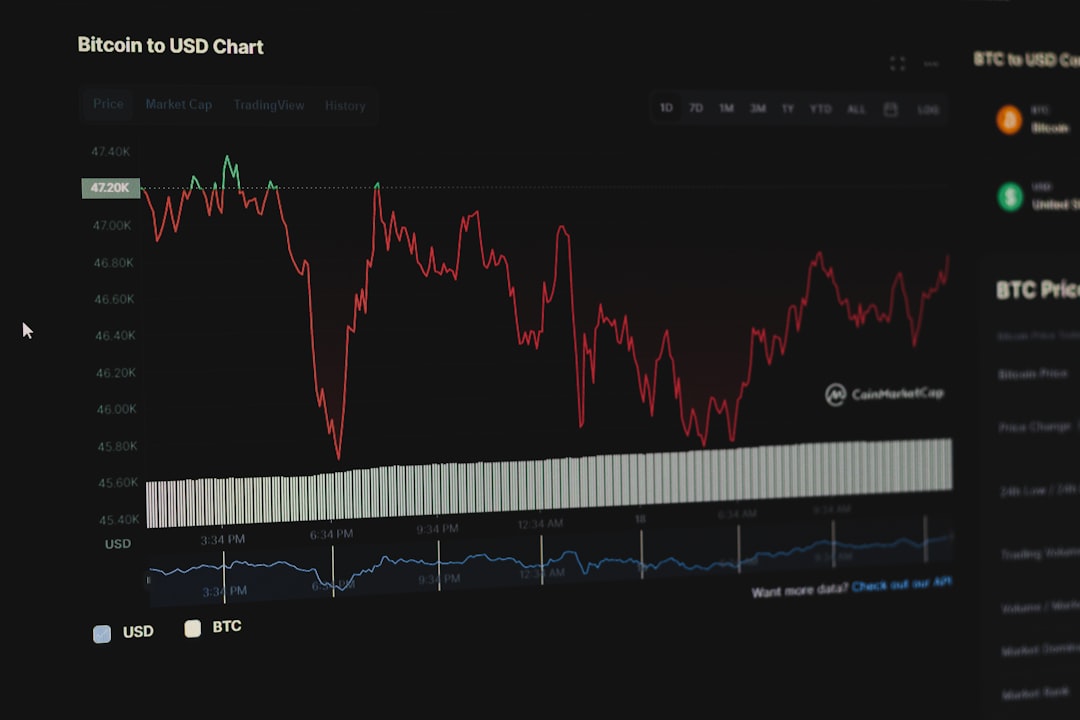
That said, Bitcoin is still Bitcoin. The volatility doesn’t disappear just because it’s wrapped in an ETF structure. I watched my IBIT position swing 15% in a week during a broader market jitter in late 2025. The ETF wrapper makes access easier — it does not make Bitcoin a stable asset. This is crucial to internalize before you invest a single dollar.
How Global Investors Are Using IBIT in 2026
One of the most fascinating developments is how institutional and retail investors are using IBIT in very different ways:
- U.S. Retail Investors: Many are allocating 1–5% of their overall portfolio to IBIT as a “digital gold” hedge — similar to how people have historically allocated a small percentage to gold ETFs like GLD.
- Pension Funds & Endowments: Several U.S. state pension funds have quietly disclosed small IBIT allocations (typically under 1%) in their 2026 annual reports, citing portfolio diversification and inflation hedge rationales.
- Korean & Japanese Investors: South Korean and Japanese retail investors have shown outsized interest in IBIT through domestic brokerage platforms that offer U.S. ETF access. The appeal? Regulatory safety of a U.S.-listed product without navigating local crypto exchange rules.
- Fee-Based Financial Advisors: In the U.S., Registered Investment Advisors (RIAs) are increasingly including IBIT as an option in client portfolios — something that would have been professionally taboo just three years ago.
The Real Risks Nobody Talks About Enough
Let’s be honest with each other here, because I think a lot of Bitcoin ETF content glosses over the uncomfortable parts:
- Regulatory Risk: Even in 2026, the regulatory landscape for crypto assets in the U.S. and globally is still evolving. A major policy shift could impact how IBIT operates or is taxed.
- Counterparty Concentration: Coinbase Custody holds the underlying Bitcoin for IBIT and several other spot ETFs. That’s a meaningful concentration of systemic risk in one custodian.
- You Don’t Own the Bitcoin: This sounds obvious but has philosophical implications. You have no ability to take physical delivery of Bitcoin through IBIT. If you believe in Bitcoin’s censorship-resistance and self-sovereignty principles, an ETF structurally contradicts that philosophy.
- Tax Treatment: In the U.S., IBIT is taxed like a standard equity ETF — short-term and long-term capital gains apply. This is actually simpler than direct crypto taxation in most cases, but worth confirming with your tax advisor.
- Bitcoin Volatility Itself: I’ll say it one more time — a 30–40% drawdown in Bitcoin is not a black swan event; it’s a feature of this asset class. Size your position accordingly.
Realistic Alternatives Worth Considering
IBIT isn’t the only game in town, and depending on your specific situation, one of these alternatives might actually serve you better:
- Fidelity’s Wise Origin Bitcoin Fund (FBTC): A direct competitor with a similar expense ratio. Fidelity does its own Bitcoin custody in-house rather than outsourcing to Coinbase, which some investors find more comfortable from a counterparty-risk standpoint.
- MicroStrategy (MSTR) Stock: If you want leveraged Bitcoin exposure through a publicly traded company, MicroStrategy remains the most prominent proxy. But understand it carries equity risk on top of Bitcoin risk.
- Direct Bitcoin Purchase via Reputable Exchange: If you’re comfortable with self-custody and the philosophical argument for owning “actual” Bitcoin resonates with you, platforms like Coinbase or Kraken with a hardware wallet (Ledger, Trezor) give you full ownership. More responsibility, more control.
- Bitcoin in a Roth IRA via a SDIRA Provider: For U.S. investors focused on tax efficiency, holding Bitcoin in a self-directed Roth IRA can be a powerful long-term strategy — tax-free growth if Bitcoin appreciates significantly over decades.
- Small Allocation via Robo-Advisors: Some robo-advisors in 2026 now offer optional crypto tilts (typically 1–5% Bitcoin exposure via ETFs). Great for completely hands-off investors.
My personal take after spending time with IBIT? It’s genuinely the most frictionless, institutionally sound way to get Bitcoin exposure if you’re a traditional investor who doesn’t want to become a crypto hobbyist. The BlackRock brand, the tight NAV tracking, and the sheer liquidity of the product are real advantages. But go in clear-eyed: you’re buying a volatile, speculative asset through a very well-constructed wrapper. The wrapper improves the experience — not the underlying asset’s risk profile.
Start small, think long-term, and never invest money you’d panic about losing 40% of in a bad quarter.
Editor’s Comment : If I had to give one piece of practical advice to someone sitting on the fence about IBIT in 2026, it would be this: treat it exactly like you’d treat a small gold allocation — not as a lottery ticket, not as your emergency fund, but as a modest, intentional hedge that you check on quarterly rather than daily. The technology and regulatory scaffolding have genuinely matured. What hasn’t changed is that Bitcoin rewards patient, sized-appropriately believers and punishes anxious, overleveraged speculators. Know which one you are before you buy that first share.
📚 관련된 다른 글도 읽어 보세요
- Small Modular Reactors: The 2026 Safety Controversy You Need to Understand Before It’s Too Late
- 2026년 원자재 슈퍼사이클 ETF 수혜 종목 완전 분석 — 지금 담아야 할 이유
- Fall-Proof Your Golden Years: The Ultimate Senior Fall Prevention Exercise Routine for 2026
태그: [‘BlackRock Bitcoin ETF’, ‘IBIT 2026’, ‘Bitcoin ETF investment review’, ‘spot Bitcoin ETF’, ‘crypto portfolio allocation’, ‘iShares Bitcoin Trust’, ‘Bitcoin ETF alternatives’]