Picture this: it’s early 2026, and a friend of yours — let’s call her Maya — quietly mentions over coffee that she’s been watching copper prices climb steadily for months. She’s not a Wall Street trader. She’s a schoolteacher who started dabbling in commodities ETFs about two years ago. “I just figured,” she said, shrugging, “that the world needs stuff to build things.” Spoiler alert: Maya’s portfolio is doing just fine.
That simple logic — the world needs stuff — is actually at the heart of commodities investing. But like any investment, the devil is in the details. So let’s think through the 2026 raw materials market together and figure out how ETFs might fit into your financial picture.
📊 Where Are Commodities Headed in 2026?
The commodities landscape in 2026 is being shaped by a fascinating mix of forces. The global energy transition is still voraciously consuming industrial metals — we’re talking about lithium, cobalt, copper, and nickel, all critical for EV batteries and grid infrastructure. At the same time, geopolitical friction in key resource-producing regions continues to introduce supply-side volatility that keeps traders on their toes.
Here’s a quick snapshot of major commodity categories in 2026:
- Energy (Oil & Natural Gas): Brent crude has been hovering in the $78–$92/barrel range through Q1 2026, with OPEC+ maintaining cautious production discipline. Natural gas demand from Europe and Asia remains structurally elevated.
- Industrial Metals (Copper, Aluminum, Nickel): Copper in particular is being called “the new oil” by analysts. Infrastructure buildout in Southeast Asia and continued EV adoption in the US and EU are sustaining demand pressure.
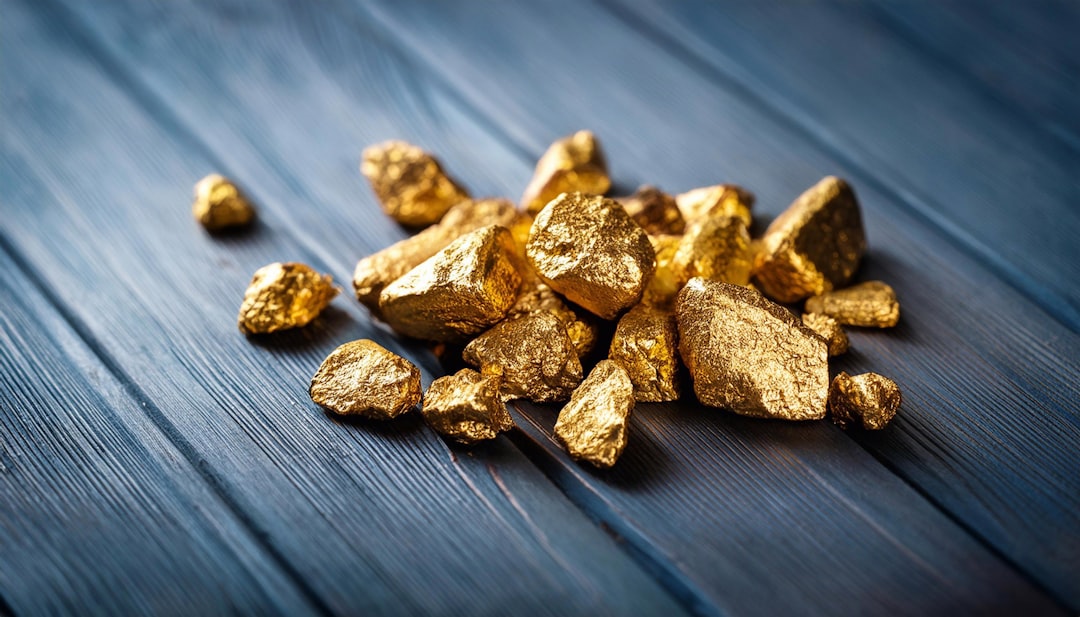
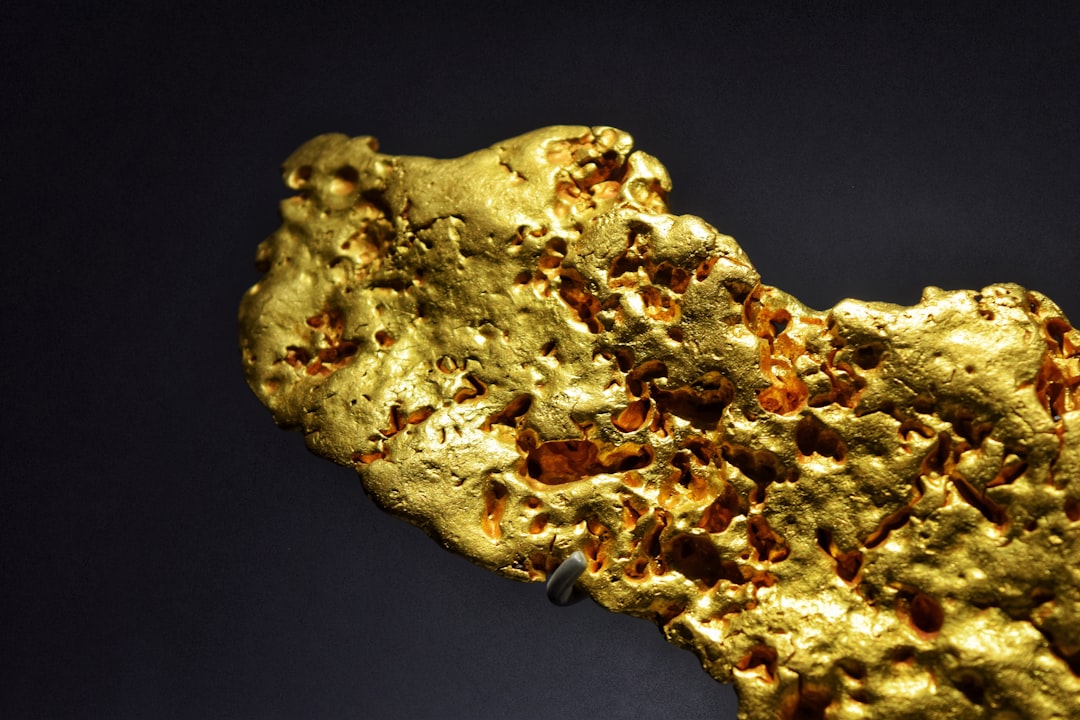
- Precious Metals (Gold, Silver): Gold has remained a reliable hedge, trading near $2,800–$3,100/oz in early 2026, buoyed by persistent central bank buying from emerging market economies and continued global uncertainty.
- Agricultural Commodities (Wheat, Corn, Soybeans): Climate variability — particularly La Niña-related drought cycles — is keeping grain markets sensitive to weather reports. Food security conversations are geopolitically charged in 2026.
- Uranium: One of the quieter stories of 2026. Nuclear energy’s comeback as a “clean baseload” source is pushing uranium demand higher, and supply is still catching up.
🌍 Global and Domestic Examples Worth Watching
Let’s ground this in some real-world context, because abstract charts only get you so far.
International Example — iShares S&P GSCI Commodity-Indexed Trust (GSG): This US-listed ETF tracks the S&P GSCI index and provides broad exposure across energy, metals, and agriculture. It’s been a common entry point for investors who want diversified commodities exposure without picking individual sectors. In 2026, energy’s large weighting (~60%) in this fund makes it more volatile but potentially rewarding if oil holds firm.
International Example — Invesco DB Commodity Index Tracking Fund (DBC): A more balanced alternative to GSG, DBC uses futures contracts across 14 commodities. For investors nervous about oil’s swings, DBC’s more even distribution across energy, metals, and agriculture feels more manageable.
Korean Market Perspective: Korean retail investors have been increasingly exploring TIGER Commodity (listed on KRX) and similar products offered by Mirae Asset and Samsung Asset Management. South Korea’s heavy industrial base and import-dependent energy structure mean domestic investors have a direct personal stake in commodities price movements — your electricity bill and manufacturing costs are quite literally tied to these numbers. ETFs become both a hedge and an opportunity in this context.
Sector-Specific Bet — Global X Uranium ETF (URA): For those who believe in nuclear’s revival story — and in 2026, that’s a growing crowd — URA offers targeted exposure to uranium miners and nuclear fuel companies. It’s a higher-risk, higher-conviction play, but the thesis is increasingly mainstream.
🧠 How to Actually Build a Commodities ETF Strategy
Here’s where I want us to slow down and think realistically. Commodities are notoriously cyclical and can be brutally volatile in the short term. They’re best approached with a clear strategy rather than chasing last month’s headlines.
- Define your “why”: Are you using commodities as an inflation hedge? A portfolio diversifier? A growth play on the energy transition? Your answer should shape which sub-sectors you emphasize.
- Understand contango vs. backwardation: Most commodity ETFs hold futures contracts, not physical goods. In a contango market (where future prices are higher than spot prices), you pay a “roll cost” every month as contracts expire — this silently erodes returns. Backwardation works in your favor. Always check whether your ETF uses optimized rolling strategies.
- Diversify within commodities: Just like you wouldn’t put all your equity money in one stock, don’t bet everything on oil or only on gold. A layered approach — say, 40% energy, 30% metals, 20% agriculture, 10% niche plays like uranium — spreads the risk meaningfully.
- Size your position appropriately: Most financial planners suggest keeping commodities exposure between 5–15% of a total portfolio, depending on your risk tolerance and time horizon. Maya from the intro? She’s at about 8%. Comfortable enough to care, small enough to sleep well.
- Rebalance regularly: Commodities can swing 20–30% in a single year. If copper ETFs surge, they might quickly become an oversized chunk of your portfolio. Quarterly check-ins help you stay intentional.
⚠️ Realistic Alternatives If Direct ETF Investing Feels Overwhelming
Not everyone is ready to open a brokerage account and start tracking futures curves. That’s completely valid — and there are smart workarounds.
- Commodities-linked equity ETFs: Instead of buying commodity futures directly, consider ETFs that hold mining companies (like VanEck Gold Miners ETF / GDX) or energy producers (XLE). These companies rise when commodity prices rise, but they also have earnings, dividends, and management teams — making them more familiar to equity investors.
- Balanced multi-asset funds: Some global balanced funds already allocate 5–10% to real assets including commodities. If managing multiple ETFs feels like too much, a single well-constructed multi-asset fund might already give you indirect exposure.
- REITs and infrastructure funds: For the inflation-hedge goal specifically, real estate investment trusts and infrastructure funds (holding toll roads, pipelines, utilities) can serve a similar purpose with lower volatility than commodity futures.
- Dollar-cost averaging (DCA): If timing the commodity cycle feels impossible (it largely is, even for professionals), simply investing a fixed amount every month smooths out your entry points over time. Boring? Yes. Effective? Also yes.
The 2026 commodities story is genuinely exciting — it sits at the intersection of energy transition, geopolitical realignment, climate change, and old-fashioned industrial demand. ETFs give everyday investors access to this story in a way that simply wasn’t possible 20 years ago. The key is going in with clear eyes: know your instrument, size your exposure thoughtfully, and resist the urge to overreact to any single quarter’s numbers.
Maya the schoolteacher gets it right not because she has some secret edge — but because she keeps it simple, stays patient, and doesn’t panic when copper dips for a month.
Editor’s Comment : Commodities ETFs in 2026 are one of the more intellectually rich corners of the investment world right now — there’s genuine macro storytelling happening across every sector, from the copper wires inside your EV to the uranium pellets powering a French nuclear plant. That said, I always encourage readers to treat any commodity allocation as a supporting role in a diversified portfolio, not the headline act. The contango issue alone has quietly killed returns for many well-intentioned investors who didn’t read the fine print. Start small, learn the mechanics, and build from there. Your future self will thank you for the patience.
태그: [‘commodities ETF 2026’, ‘raw materials investing’, ‘copper gold oil ETF’, ‘energy transition investment’, ‘inflation hedge ETF’, ‘uranium ETF 2026’, ‘portfolio diversification strategy’]