My neighbor Mrs. Kim, a 72-year-old retired schoolteacher, once told me that her knees had become her personal ‘weather forecasters’ — aching before every rainstorm with an almost eerie precision. For years, she dismissed the discomfort as just ‘getting old.’ But after a particularly rough winter in early 2026, she finally sought answers. What she discovered changed her daily life dramatically. If you or someone you love is navigating the frustrating world of senior knee pain, let’s think through this together — because there’s a lot more going on beneath the surface than most people realize.
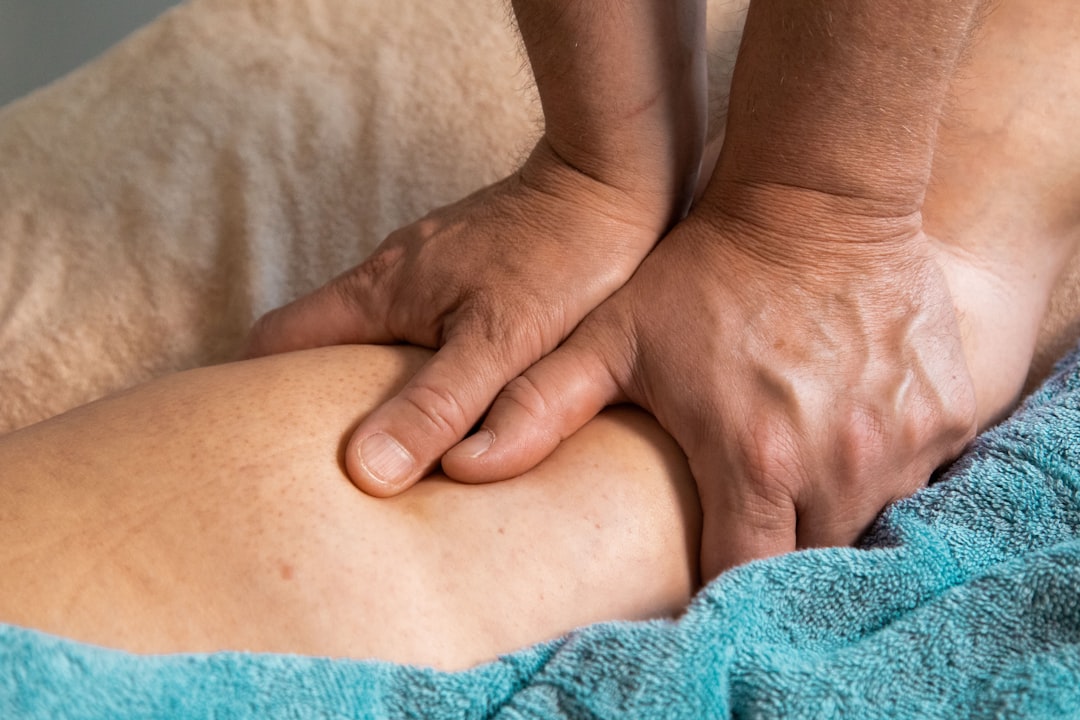
Why Do Older Adults Experience Knee Pain? The Core Causes
Knee pain in older adults — known in Korean medical contexts as 노인 무릎 통증 — isn’t a single condition. It’s more like an umbrella term covering several overlapping issues. Let’s break down the most clinically significant culprits:
- Osteoarthritis (퇴행성 관절염): This is by far the #1 cause. The cartilage — the smooth, rubbery cushion between your bones — gradually wears away over decades. By 2026, the WHO estimates that over 528 million people globally live with osteoarthritis, with adults over 65 making up the largest segment. Once that cartilage thins, bone literally grinds on bone, causing chronic inflammation and pain.
- Meniscus Degeneration: The menisci are two C-shaped pieces of cartilage acting as shock absorbers. With age, they become brittle and prone to tearing — even from simple movements like standing up from a low chair.
- Ligament Laxity: Aging tendons and ligaments lose their elasticity, creating joint instability. This often gets overlooked but is a major contributor to that ‘wobbly’ sensation seniors describe.
- Bursitis: Fluid-filled sacs called bursae cushion the knee joint. Repeated pressure or age-related inflammation can cause these to swell painfully — a condition called prepatellar or pes anserine bursitis.
- Muscle Weakness (Sarcopenia): As we age, we naturally lose muscle mass — a process called sarcopenia. Weakened quadriceps and hamstrings place enormous additional stress on the knee joint itself, essentially forcing the joint to do work the muscles should be handling.
- Gout & Pseudogout: Crystal deposits in the joint can trigger sudden, severe pain episodes — often misdiagnosed as regular arthritis in older patients.
- Referred Pain: Hip degeneration or lumbar spine issues can send pain signals directly to the knee. This is a frequently missed diagnosis that leads to months of treating the wrong area.
What the Data Tells Us in 2026
According to data published by the Korean Health Insurance Review & Assessment Service (건강보험심사평가원) in late 2025 and updated in early 2026, knee osteoarthritis diagnoses in adults over 65 in South Korea increased by approximately 18% over the past five years. Meanwhile, a Johns Hopkins Medicine longitudinal study published in January 2026 confirmed that sedentary lifestyle — accelerated during the pandemic years — has created what researchers are calling a ‘joint health deficit’ in the current senior population. The takeaway? Inactivity didn’t just affect hearts and lungs. It significantly accelerated cartilage degradation.
Treatment Options: From Conservative to Surgical
Here’s where things get genuinely interesting, because the treatment landscape in 2026 looks quite different from even five years ago. Let’s walk through the tiers:
- Physical Therapy & Exercise Rehabilitation: Still the gold standard first-line treatment. A 2026 meta-analysis in the Annals of Internal Medicine confirmed that targeted strengthening exercises reduce knee pain scores by up to 40% in mild-to-moderate osteoarthritis cases. Aquatic therapy (수중 운동치료) has gained massive popularity in Korean rehabilitation centers for its low-impact joint benefits.
- Weight Management: Every kilogram of body weight lost reduces knee joint load by approximately 4 kilograms. This is one of the highest-leverage interventions available and costs nothing.
- NSAID Medications & Topical Gels: Oral anti-inflammatories like naproxen are commonly prescribed but come with GI and cardiovascular risks in older adults. Topical diclofenac gel has emerged as a safer alternative for localized relief.
- Hyaluronic Acid Injections (히알루론산 주사): These ‘viscosupplementation’ injections add lubrication to the joint. Results are mixed in clinical literature, but many patients — including Mrs. Kim — report meaningful 3-6 month pain reduction.
- PRP (Platelet-Rich Plasma) Therapy: Using the patient’s own blood components to stimulate tissue repair, PRP has grown significantly in South Korean orthopedic clinics. By 2026, South Korea’s Ministry of Health has expanded partial insurance coverage for PRP in Grade 2-3 osteoarthritis, making it more accessible.
- Stem Cell Therapy (줄기세포 치료): Still considered advanced/experimental, but 2025-2026 Korean clinical trials (notably at Seoul National University Hospital) are showing promising cartilage regeneration results in selected candidates.
- Total Knee Replacement (TKR/인공관절 치환술): For severe Grade 4 osteoarthritis where conservative methods have failed, TKR remains highly effective. Modern implants in 2026 have projected lifespans of 20-25 years, addressing the previous concern of ‘outliving your implant.’
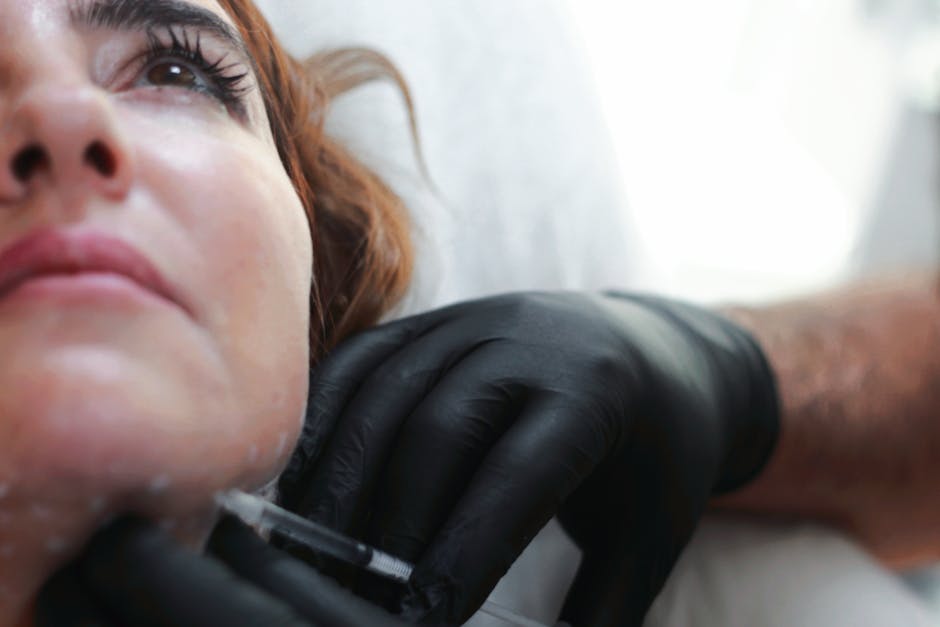
Real Patient Reviews: What People Are Actually Experiencing
Let’s look at some representative experiences that reflect patterns seen widely in 2026:
Case 1 — Conservative Path (Seoul, South Korea): A 68-year-old retired government worker reported that after 12 weeks of supervised physical therapy at a local orthopedic rehabilitation center combined with weight loss of 7kg, his VAS (Visual Analog Scale) pain score dropped from 7/10 to 3/10. He credits consistency over quick fixes. His review: ‘I wanted the injection first. My doctor said ‘exercise first.’ I was annoyed. Three months later, I’m glad I listened.’
Case 2 — Hyaluronic Acid Injection (Busan, South Korea): A 74-year-old woman with moderate osteoarthritis received a series of three HA injections over three weeks. She reported excellent relief for about four months, followed by gradual return of symptoms. Her honest assessment: ‘It bought me time and let me sleep through the night again. But it’s not a cure. I still need to do exercises.’
Case 3 — Total Knee Replacement (Chicago, USA): According to a patient forum on the American Academy of Orthopaedic Surgeons (AAOS) website, a 71-year-old woman who underwent bilateral TKR in late 2025 shared her 2026 follow-up: full stair climbing capability returned at 4 months, and she describes the outcome as ‘life-changing after years of being housebound.’
Realistic Alternatives for Different Situations
Not everyone can afford surgery, commit to months of physical therapy, or access specialist clinics. So let’s think practically:
- If you can’t afford PT clinics: YouTube-based physiotherapy programs specifically for senior knee health have proliferated in 2026. Look for programs guided by licensed Korean or international physiotherapists — many are free and clinically sound.
- If you’re in a rural area: Telehealth orthopedic consultations are now widely available across South Korea and in many other countries as of 2026, allowing diagnosis and treatment planning without travel.
- If medication causes stomach issues: Ask your doctor about topical NSAID gels, acupuncture (침술 — which has Level B evidence for knee OA pain relief), or TENS (Transcutaneous Electrical Nerve Stimulation) units available for home use.
- If surgery feels too risky: Discuss bracing options (unloader knee braces can redistribute joint load effectively) and work with your doctor on an activity modification plan rather than full inactivity, which accelerates degeneration.
- For nutritional support: Evidence in 2026 increasingly supports adequate Vitamin D + K2 supplementation, collagen peptides, and omega-3 fatty acids as adjuncts to joint health — not replacements for treatment, but meaningful supportive measures.
The most important reframe I’d offer is this: knee pain in older adults is not inevitable suffering you simply must endure. It’s a manageable condition with a genuinely wide spectrum of interventions. The best outcomes consistently come from early action, honest communication with your healthcare provider, and combining approaches rather than seeking one magic solution.
Mrs. Kim, by the way? She opted for a combination of aquatic therapy twice a week and a single round of hyaluronic acid injections. By March 2026, she told me her knees still predict rain — but now only with mild discomfort rather than debilitating pain. That’s not perfection, but for her, it’s a victory worth celebrating.
Editor’s Comment : Knee pain in older adults is one of those topics that gets oversimplified into either ‘just take painkillers’ or ‘you need surgery.’ The reality in 2026 is far more nuanced and, honestly, more hopeful. The combination of improved injectable therapies, wider insurance coverage for advanced treatments in countries like South Korea, and the explosion of accessible rehabilitation resources means seniors today have genuinely more options than any previous generation. My strongest advice? Don’t wait until you’re rating pain at 9/10. The earlier you engage with even conservative treatments, the broader your menu of effective options remains. Your knees have carried you everywhere — they deserve some proactive care in return.
태그: [‘knee pain in elderly’, ‘osteoarthritis treatment 2026’, ‘senior joint health’, ‘knee replacement review’, ‘hyaluronic acid injection knee’, ‘노인 무릎 통증’, ‘orthopedic care older adults’]