Let me paint a picture that might feel familiar. A 72-year-old woman named Margaret steps out of bed on a chilly morning, her feet barely touching the floor before her knee buckles slightly — just a momentary wobble. She catches herself on the nightstand and laughs it off. But her daughter, watching from the doorway, doesn’t laugh. She’s read the statistics. She knows that this kind of “almost” moment is often a preview of something far more serious.
Falls are the leading cause of injury-related death among adults over 65 worldwide, and when osteoporosis enters the equation, even a minor stumble can result in a hip fracture that changes the entire trajectory of someone’s life. The good news? This isn’t inevitable. Let’s think through what’s actually happening in the body, what the research says, and what realistic steps look like — whether you’re a senior yourself, a caregiver, or just planning ahead smartly.
Why Falls Are So Dangerous When Bones Are Fragile
Here’s where we need to understand the two-problem equation. Falls and osteoporosis are separate conditions, but they create a catastrophic feedback loop when they occur together.
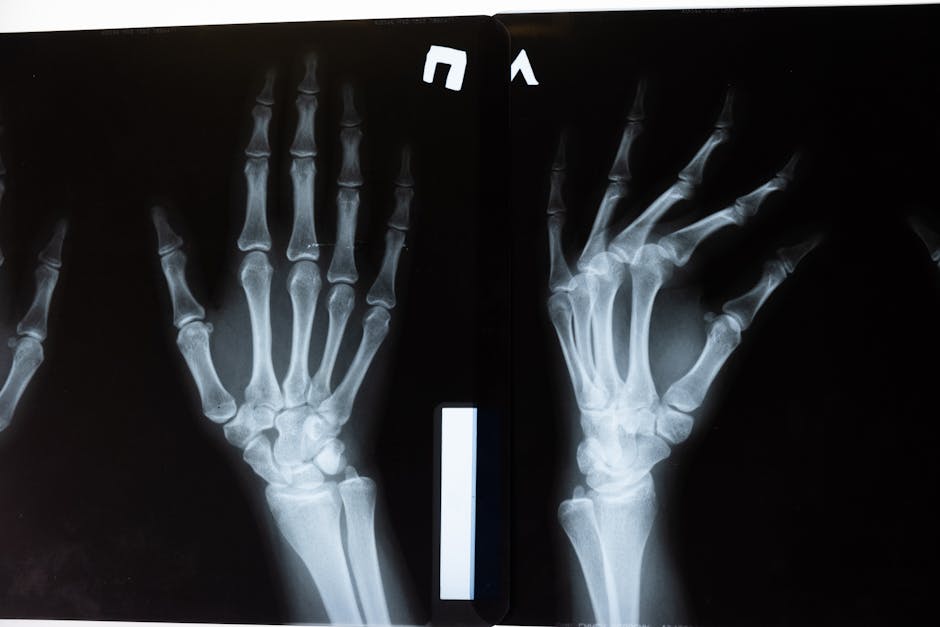
Osteoporosis is a condition where bone mineral density (BMD) drops below a threshold that makes bones structurally vulnerable. The World Health Organization defines it as a T-score of -2.5 or lower on a DEXA scan — essentially, your bones are significantly less dense than a healthy young adult. In 2026, it’s estimated that over 200 million people worldwide live with osteoporosis, with postmenopausal women and men over 70 being the highest-risk groups.
Meanwhile, falls among older adults are staggeringly common. According to the CDC’s most recent data, approximately 1 in 4 adults aged 65 and older falls each year in the United States alone. Globally, the WHO reports that 37.3 million falls per year are severe enough to require medical attention.
When these two realities collide — a fall in someone with compromised bone density — the results are often devastating:
- Hip fractures are the most feared outcome. Roughly 20–30% of older adults who suffer a hip fracture die within one year due to complications like pneumonia, blood clots, or surgical risks.
- Vertebral compression fractures can occur even without a fall — simply bending forward to pick something up can crack a vertebra in severe osteoporosis cases.
- Wrist and forearm fractures are common “defensive” injuries when people reach out to break a fall.
- Loss of independence is a psychological consequence that many medical professionals call the “silent injury” — fear of falling again can cause older adults to become sedentary, which paradoxically worsens both muscle strength and bone density.
The Biology Behind Bone Loss: What’s Actually Happening
Bones aren’t static — they’re living tissue in a constant state of remodeling. Specialized cells called osteoblasts build new bone, while osteoclasts break down old bone. In youth, this process stays beautifully balanced. But starting around age 30, bone breakdown begins to slightly outpace bone building. For women, this accelerates dramatically after menopause due to the drop in estrogen, which normally suppresses osteoclast activity. Men experience a more gradual decline linked to falling testosterone levels.
By the time most people are diagnosed with osteoporosis, they’ve often lost 30% or more of their bone mass — and here’s the tricky part: there are no symptoms until a fracture occurs. This is why osteoporosis is often called a “silent disease,” and why proactive screening is so critical.
Global and Domestic Approaches Making a Real Difference in 2026
Let’s look at what different countries and healthcare systems are actually doing — because some of the most effective interventions are surprisingly simple.
South Korea’s Integrated Elderly Care Program: South Korea, facing one of the world’s most rapidly aging populations, launched an expanded community-based fall prevention initiative in 2024 that has shown measurable results by 2026. Local health centers now offer free balance assessment clinics for adults over 65, combined with tai chi and resistance training programs three times per week. Early data suggests a 22% reduction in fall-related emergency room visits in participating districts.
The UK’s NICE Guidelines Update: The UK’s National Institute for Health and Care Excellence updated its osteoporosis management guidelines in early 2026, now recommending that all women over 65 and men over 70 receive a FRAX score assessment — a fracture risk calculation tool that accounts for bone density, age, BMI, and lifestyle factors — rather than waiting for symptoms.
Japan’s “Locomotive Syndrome” Framework: Japan coined the term rokotamo shōkōgun (locomotive syndrome) to describe the progressive deterioration of bones, joints, and muscles that leads to mobility loss. Their national health curriculum now includes locomotive syndrome awareness from middle school age, framing bone health as a lifelong investment rather than an old-age concern. The cultural shift has been notable.
United States Medicare Coverage Expansion: As of January 2026, Medicare in the US expanded coverage for annual fall risk assessments and covers up to 12 weeks of evidence-based fall prevention programs per year for eligible seniors — a policy change that advocates fought for over a decade.
Practical Prevention Strategies That Actually Work
Now let’s get into the actionable part — because this is where I see a lot of well-meaning advice go generic. “Exercise more and eat more calcium” isn’t a plan. Here’s what the evidence actually supports:
- Weight-bearing and resistance exercise: Activities like walking, hiking, dancing, and strength training stimulate osteoblast activity and directly build bone density. The sweet spot for older adults appears to be 2–3 sessions of resistance training per week, targeting major muscle groups. Even chair-based exercises for those with mobility limitations show meaningful improvements in balance and muscle tone.
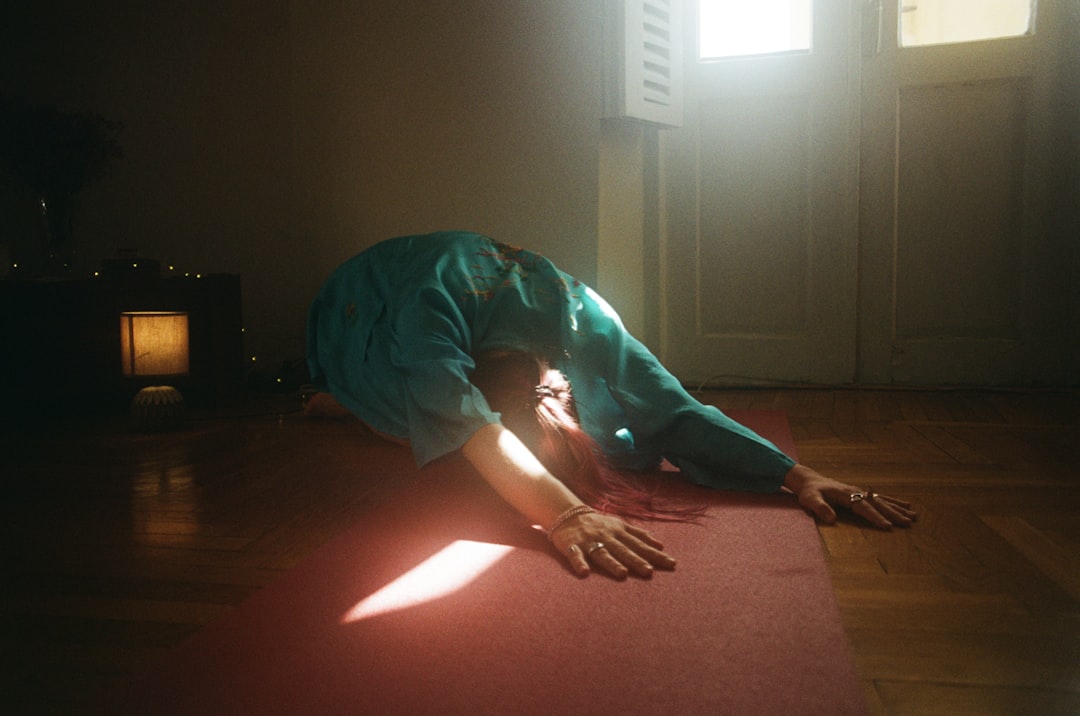
- Balance-specific training: Tai chi has the strongest evidence base among all exercise forms for reducing fall incidence — multiple randomized controlled trials show 20–45% reductions in falls among regular practitioners. Yoga and single-leg standing exercises are also excellent options.
- Calcium and Vitamin D optimization: Adults over 50 need approximately 1,200 mg of calcium daily and 800–1,000 IU of Vitamin D3. Many older adults are severely deficient in Vitamin D due to reduced sun exposure and decreased skin synthesis efficiency. A blood test (25-OH Vitamin D) is the only way to know your actual levels.
- Medication review: This one is critically underappreciated. Many common medications — sedatives, blood pressure drugs, antihistamines, antidepressants — increase fall risk by causing dizziness, orthostatic hypotension (blood pressure drop when standing), or sedation. A pharmacist-led medication review can be genuinely life-changing.
- Home environment modification: Remove loose rugs, install grab bars in bathrooms, improve lighting especially in hallways and stairwells, and consider a raised toilet seat. These are unglamorous changes that have enormous impact.
- Vision checks: Impaired vision is a major, often-overlooked fall risk factor. Annual eye exams and updated prescriptions matter far more than most people realize.
- DEXA scanning schedule: Women over 65 and men over 70 should have a baseline DEXA scan. Those with risk factors (smoking, steroid use, family history of fractures) should begin screening earlier, around age 50–60.
Medication Options: When Lifestyle Isn’t Enough
For those already diagnosed with osteoporosis, lifestyle changes alone may not be sufficient to prevent fractures. Several pharmaceutical options exist, and it’s worth understanding them:
Bisphosphonates (like alendronate/Fosamax) are the most commonly prescribed and work by inhibiting osteoclast activity to slow bone breakdown. They’re effective but require careful administration — taken on an empty stomach with a full glass of water, remaining upright for 30 minutes afterward — and long-term use has been associated with rare complications like osteonecrosis of the jaw.
Denosumab (Prolia) is an injectable option given every 6 months that works through a different mechanism, blocking a protein that activates osteoclasts. It’s often used when bisphosphonates aren’t tolerated.
Romosozumab (Evenity) is a newer option approved in several countries that actually stimulates bone formation while simultaneously reducing breakdown — a dual-action approach that’s shown impressive results in high-risk patients.
The key message here: have an honest, informed conversation with your physician about where you fall on the fracture risk spectrum. Medication decisions should be individualized, not reflexive.
Realistic Alternatives for Every Situation
Not everyone has access to a gym, a specialist, or even reliable transportation. Here’s how to adapt:
If formal exercise programs aren’t accessible, walking 30 minutes daily on varied terrain (slight inclines, uneven surfaces) engages stabilizing muscles effectively. Climbing stairs rather than using elevators is legitimate resistance training. Household chores done with intention — gardening, carrying groceries, standing while doing dishes — count more than we typically credit them.
If dietary calcium is challenging (lactose intolerance, vegan diet, limited income), canned sardines and salmon with bones are affordable, calcium-dense options. Fortified plant milks, tofu made with calcium sulfate, and leafy greens like kale and bok choy are excellent alternatives. Targeted supplementation fills gaps where diet genuinely falls short.
If home modifications feel overwhelming, start with the bathroom — statistically the highest-risk room in the house — and the path between the bedroom and bathroom used at night. Those two areas alone account for a disproportionate share of fall injuries.
If you’re a caregiver from a distance, a virtual “home safety audit” via video call, combined with a list of affordable grab bars and non-slip mats available for under $50 total, can make a meaningful difference before your next visit.
Aging doesn’t have to mean fragility. The biology is real, but so is the plasticity of the human body at any age. The research in 2026 is clearer than ever: the interventions that matter most aren’t expensive or exotic — they’re consistent, thoughtful, and started before a crisis forces the conversation.
Editor’s Comment : What strikes me most about this topic is how much of fall and fracture prevention lives in the space between “I know I should” and “I actually did.” The exercise routine you keep postponing, the DEXA scan your doctor mentioned two years ago, the grab bar you’ve been meaning to install — these aren’t big asks. They’re small decisions compounded over time. If this post prompts even one person to book that bone density scan or sign up for a local tai chi class, I’d call that a genuinely good day’s work.
태그: [‘fall prevention elderly’, ‘osteoporosis management 2026’, ‘bone density improvement’, ‘senior balance training’, ‘fracture risk reduction’, ‘aging bone health’, ‘DEXA scan osteoporosis’]