Let me paint you a picture. It’s early 2026, and your coworker casually mentions over lunch that she’s been investing in Bitcoin since last year — but through an ETF, not by actually holding any crypto herself. Meanwhile, your neighbor has a hardware wallet tucked in his desk drawer and checks his self-custody wallet every morning like it’s the news. Both are invested in the same underlying asset. Both have very different experiences. So which approach is smarter? Let’s think through this together, because the answer genuinely depends on who you are.
What’s Actually on the Table in 2026?
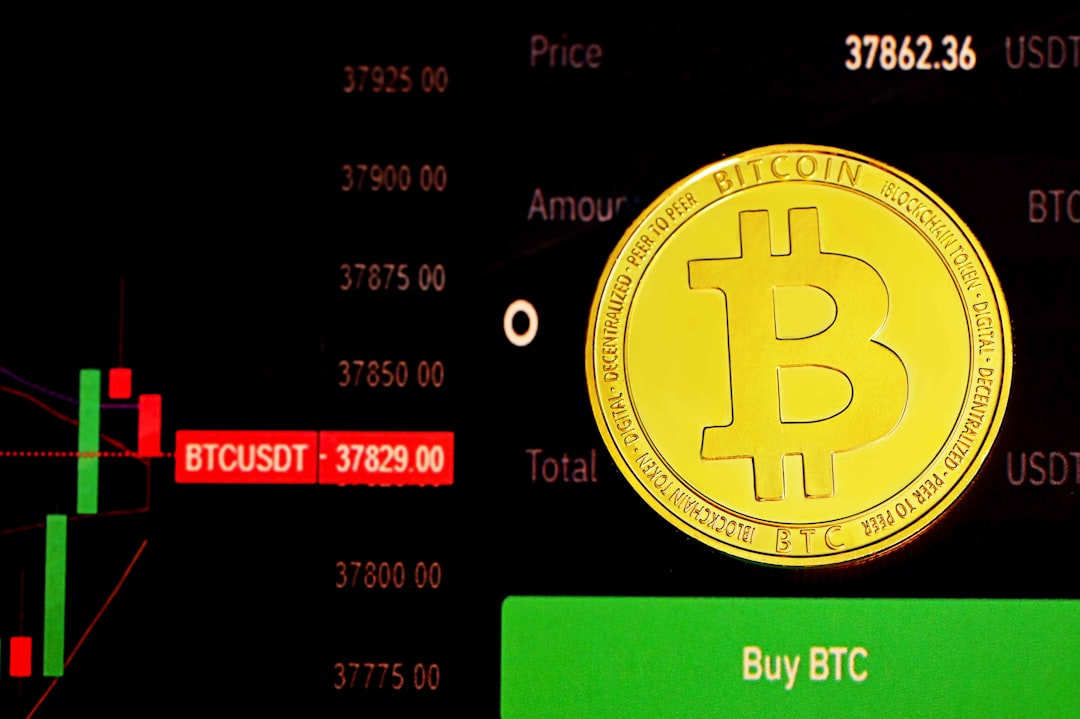
The Bitcoin ETF landscape has matured dramatically. After the U.S. spot Bitcoin ETFs launched in early 2024, we’ve seen a full market cycle play out. By early 2026, major players like BlackRock’s iShares Bitcoin Trust (IBIT), Fidelity’s Wise Origin Bitcoin Fund (FBTC), and ARK 21Shares Bitcoin ETF (ARKB) have collectively accumulated over $80 billion in AUM — a figure that would have seemed outlandish just two years ago. Meanwhile, direct Bitcoin ownership via exchanges like Coinbase, Kraken, or self-custody solutions remains the preferred route for purists and tech-savvy investors.
Breaking Down the Core Differences: Data First
Let’s get specific, because vague comparisons don’t help anyone make real decisions.
- Expense Ratios: Bitcoin ETFs typically charge between 0.20% and 0.25% annually (IBIT sits at 0.25% as of 2026). Direct holding has zero ongoing fees — but exchange fees, withdrawal costs, and wallet maintenance aren’t zero either.
- Tax Treatment: ETF gains in the U.S. are taxed as capital gains, with clear reporting via standard brokerage 1099 forms. Direct crypto gains require meticulous transaction tracking — every swap, staking reward, and transfer is potentially a taxable event.
- True Ownership: An ETF gives you exposure to Bitcoin’s price — you don’t own a single satoshi. Direct investment means you can actually transact with Bitcoin, use it across the crypto ecosystem, or move it anywhere in the world.
- Accessibility: ETFs live in your brokerage account — IRA-compatible, 401(k) eligible in some plans, and shielded from exchange hacks. Direct Bitcoin requires handling private keys, which is a real skill barrier for many people.
- 24/7 Trading: Bitcoin markets never close. ETFs only trade during standard market hours (9:30 AM – 4:00 PM ET), meaning you can’t react to a Sunday night Bitcoin flash crash in real time through an ETF.
- Counterparty Risk: ETFs introduce custody intermediaries (Coinbase Custody handles most U.S. ETF Bitcoin storage). Direct self-custody eliminates that — but introduces personal responsibility risk. Forget your seed phrase? Your Bitcoin is gone forever.
Real-World Examples: How Different Investors Are Playing This
Let’s look at how this actually plays out across different investor profiles in 2026.
Example 1 — The Retirement Planner (ETF Makes Sense): A 52-year-old financial planner in Chicago decided in 2025 to allocate 5% of her Roth IRA to Bitcoin via FBTC. She pays a small annual fee, her gains grow tax-free inside the Roth wrapper, and she never has to think about seed phrases. The 2025–2026 bull cycle rewarded her patience without any technical headaches. This is the ETF use case at its best.
Example 2 — The DeFi Explorer (Direct Investment Wins): A 28-year-old software developer in Seoul holds Bitcoin directly because he regularly bridges assets between chains, participates in Lightning Network payments, and occasionally uses Bitcoin as collateral in DeFi protocols. An ETF would be completely useless for his actual use case — he needs to hold real Bitcoin.
Example 3 — The International Investor (Mixed Strategy): In countries like South Korea and Brazil where spot Bitcoin ETFs have also launched by 2026, many retail investors hold a core position via ETF for convenience and tax compliance, while maintaining a smaller direct wallet for Web3 activities. This hybrid approach is quietly becoming the mainstream strategy globally.
The Hidden Costs People Forget to Calculate
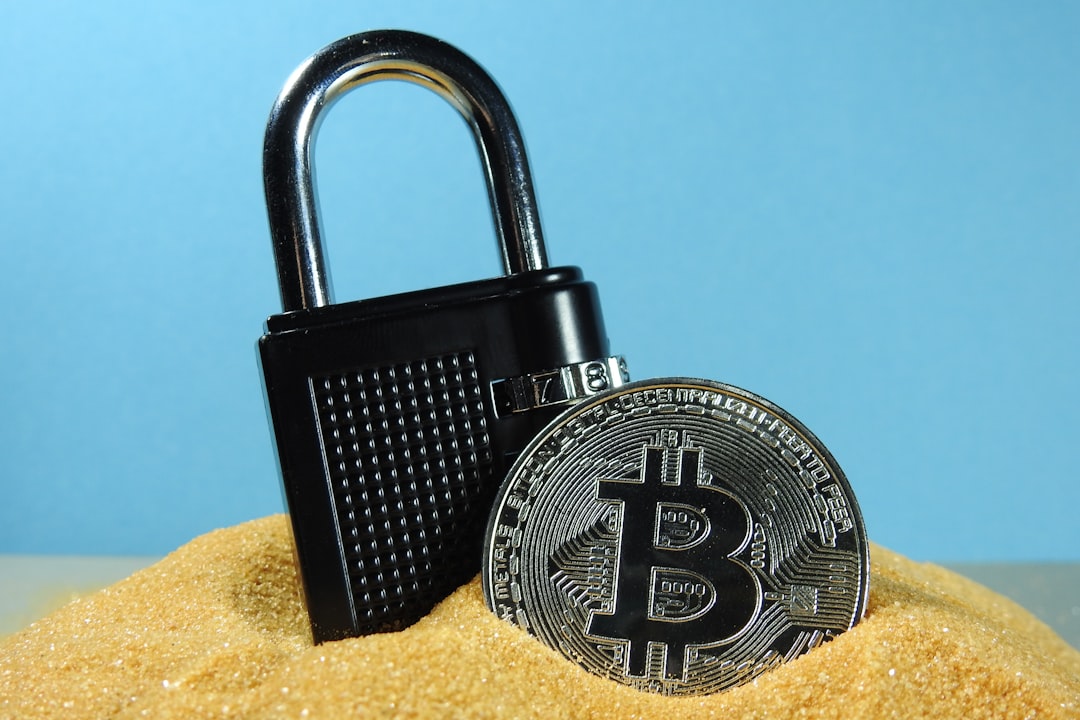
Here’s where I want to slow down and think critically, because most comparisons stop too early. The ETF’s annual fee looks small — 0.25% — but over a 10-year hold with compounding, you’re giving up a meaningful chunk of Bitcoin exposure. On a $50,000 position growing at historical Bitcoin rates, that fee difference compounds into thousands of dollars. On the flip side, direct holders who don’t use proper cold storage face real risks: exchange insolvencies (we’ve seen several since 2022), phishing attacks, and the psychological burden of self-custody. Neither option is “free” — the costs are just different in nature.
So Which Should You Choose? A Logic Tree, Not a Lecture
Here’s how I’d actually reason through this decision:
- If you want Bitcoin inside a tax-advantaged account (IRA, 401k): → ETF is currently your only viable path. Done.
- If you plan to use Bitcoin in Web3, DeFi, or cross-border transfers: → Direct ownership is non-negotiable.
- If you’re a beginner who feels overwhelmed by crypto wallets: → Start with an ETF. Reduce friction, reduce mistakes. Learn first, self-custody later.
- If you’re concerned about long-term counterparty risk at financial institutions: → Direct self-custody with a reputable hardware wallet (Ledger, Trezor, Coldcard) is the philosophical and practical answer.
- If you want the best of both worlds: → The 2026 hybrid strategy: ETF for retirement accounts, direct wallet for active use and a personal sovereignty allocation.
The truth is, framing this as a binary choice is a trap. These two approaches serve genuinely different purposes, and treating them as competitors misses the point. A screwdriver and a hammer are both tools — you pick based on what you’re building.
Editor’s Comment : What strikes me most about the Bitcoin ETF vs. direct investment debate in 2026 is how it’s really a proxy for a deeper question: what’s your relationship with money and control? ETFs are a vote for convenience and institutional trust. Direct ownership is a vote for sovereignty and self-reliance. Neither is inherently superior — they reflect different values and life situations. My honest take? If you haven’t already, try holding a small amount of Bitcoin directly, even just once. The experience of actually owning a financial asset with no intermediary between you and it is genuinely unlike anything else in modern finance. Once you’ve felt that, you’ll understand why the debate isn’t going away anytime soon.
태그: [‘Bitcoin ETF 2026’, ‘Bitcoin direct investment’, ‘IBIT FBTC Bitcoin ETF comparison’, ‘crypto investing strategy 2026’, ‘Bitcoin self-custody vs ETF’, ‘spot Bitcoin ETF pros cons’, ‘cryptocurrency portfolio 2026’]