Picture this: It’s early 2026, and your coworker leans over during lunch and says, “Did you hear? Another Bitcoin ETF just got the green light.” You nod politely, but inside you’re thinking — wait, haven’t we been here before? What does this actually mean now that the landscape has shifted so dramatically since those first spot Bitcoin ETFs launched back in early 2024?
Here’s the thing: the Bitcoin ETF story isn’t over. In fact, 2026 is shaping up to be one of the most consequential chapters yet. Let’s think through this together — what’s actually happening, why it matters, and how you might want to position yourself depending on your situation.
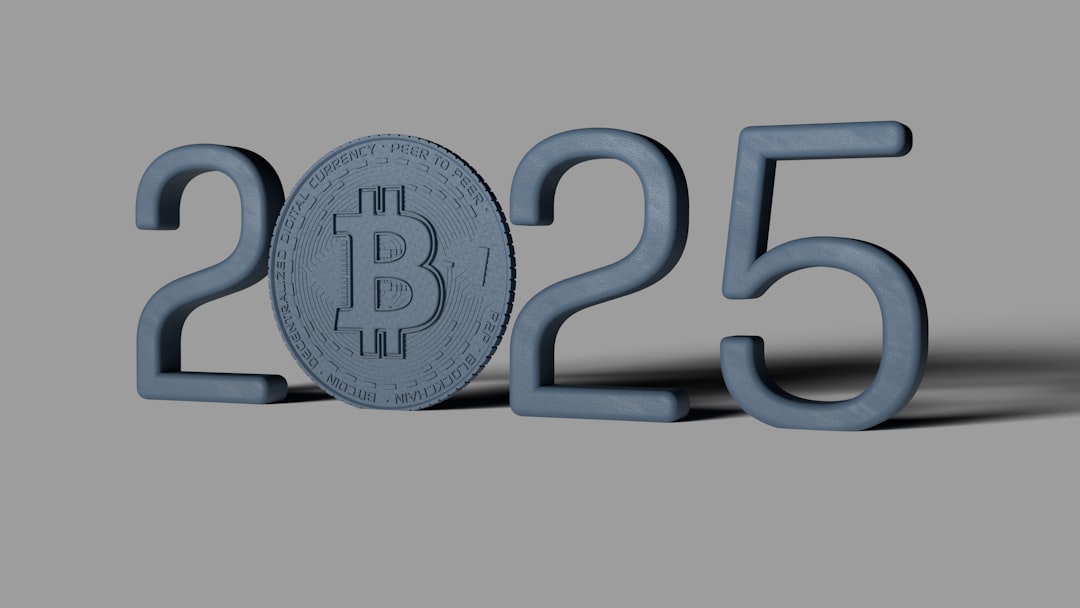
📊 Where We Stand Right Now in 2026
After the landmark approval of spot Bitcoin ETFs in January 2024 by the U.S. Securities and Exchange Commission (SEC), the market has had two full years to digest what that actually means. As of March 2026, cumulative assets under management (AUM) across all U.S.-listed spot Bitcoin ETFs have surpassed $120 billion, with BlackRock’s iShares Bitcoin Trust (IBIT) and Fidelity’s Wise Origin Bitcoin Fund (FBTC) continuing to dominate market share.
But here’s what’s new and genuinely exciting in 2026: the SEC has been actively reviewing in-kind creation/redemption mechanisms for existing Bitcoin ETFs. This is a technical-sounding shift that has massive practical implications. Previously, ETF shares were created using cash — meaning fund managers had to go buy Bitcoin on the open market. In-kind creation means institutions can deposit actual Bitcoin directly. This reduces costs, minimizes slippage, and arguably makes pricing more efficient for everyday investors like you and me.
🌍 Domestic and International Context: The Race to Catch Up
The U.S. approval didn’t happen in a vacuum. Let’s zoom out and look at what’s been happening globally:
- Canada launched its own spot Bitcoin ETFs back in 2021, giving it a multi-year head start. By 2026, Canadian funds have matured significantly and serve as a useful benchmark for fee compression and investor behavior.
- Hong Kong approved spot Bitcoin and Ethereum ETFs in April 2024, positioning itself as Asia’s crypto ETF hub. Trading volumes there have grown steadily into 2026, though they remain a fraction of U.S. volumes.
- Europe has had Bitcoin Exchange-Traded Products (ETPs) — technically different from ETFs — since 2019. The EU’s MiCA regulation framework, fully enforced by 2026, has added a layer of compliance clarity that’s drawing institutional interest.
- South Korea is notably still working through regulatory frameworks as of early 2026, meaning Korean retail investors heavily rely on indirect exposure through U.S.-listed ETFs or offshore platforms.
- Australia launched its spot Bitcoin ETFs in mid-2024 and has seen steady adoption, particularly among self-managed superannuation fund (SMSF) investors seeking portfolio diversification.
The pattern here is clear: the U.S. approval acted as a global permission slip. Countries that were sitting on the fence moved faster, and now we’re seeing a genuinely global ETF ecosystem forming around Bitcoin.
🔍 The New Players and Products You Should Know About in 2026
Beyond the original wave of spot Bitcoin ETFs, 2026 has introduced some genuinely new developments worth tracking:
- Options on Bitcoin ETFs: The SEC greenlighted options trading on several spot Bitcoin ETFs in late 2024. By 2026, this derivatives layer has matured, allowing more sophisticated hedging strategies for institutional players — and indirectly reducing overall market volatility.
- Ethereum Spot ETFs: Approved in mid-2024, Ethereum ETFs have grown their own ecosystem. Proposals for staking-enabled ETH ETFs are under active review in early 2026, which would allow ETF holders to benefit from Ethereum’s staking yield — a game-changer if approved.
- Multi-asset Crypto ETFs: Several asset managers have filed for ETFs combining Bitcoin, Ethereum, and other large-cap crypto assets. Regulatory clarity on what qualifies as a security remains the key bottleneck.
- Bitcoin Treasury ETFs: An emerging category in 2026, these ETFs hold shares of publicly traded companies (think MicroStrategy-style firms) whose primary asset is Bitcoin. They offer indirect Bitcoin exposure with familiar equity-wrapper benefits.

💡 Realistic Alternatives Depending on Your Situation
Okay, so now you’re probably thinking — great, but what should I actually do? Let’s think through a few different scenarios:
- If you’re a complete beginner: A spot Bitcoin ETF through your existing brokerage (Fidelity, Schwab, TD Ameritrade, etc.) is genuinely the most accessible and regulated entry point. You don’t need a crypto wallet, you don’t worry about private keys, and you get standard investor protections. Start small — think of it as a satellite allocation, not your core portfolio.
- If you already hold Bitcoin directly: You might not need an ETF at all. The ETF carries an expense ratio (most range from 0.19% to 0.25% annually as of 2026 after fee competition). If you’re comfortable with self-custody and secure storage, holding Bitcoin directly remains more cost-efficient over long horizons.
- If you’re investing through a retirement account (IRA/401k): This is where Bitcoin ETFs genuinely shine. Spot Bitcoin ETFs can now be held in IRAs at many brokerages, offering potential tax-deferred or tax-free growth depending on account type. This is a meaningful structural advantage.
- If you’re risk-averse but curious: Consider a small allocation to a Bitcoin Treasury ETF or a broader digital asset equity ETF. These give you some exposure to the crypto ecosystem’s growth without the direct volatility of Bitcoin itself.
- If you’re outside the U.S.: Check your country’s local options first. You may have tax advantages or lower-cost products available domestically. If not, many international brokerages now offer access to U.S.-listed ETFs.
⚠️ What to Watch For in the Rest of 2026
A few key things could meaningfully shift this landscape before year-end:
- The SEC’s final ruling on staking within Ethereum ETFs — expected Q2 or Q3 2026
- The potential approval of multi-asset crypto ETFs combining Bitcoin and Ethereum
- Continued fee compression as competition among ETF issuers intensifies
- Macroeconomic factors — interest rate decisions by the Federal Reserve continue to influence Bitcoin’s correlation with risk assets
- The Bitcoin halving’s lagging effects on supply dynamics, which historically play out 12–18 months post-event
The story of Bitcoin ETFs in the U.S. is genuinely still unfolding. We’re not at the end of this narrative — we might be closer to the end of the beginning. The infrastructure is being built, the regulatory framework is clarifying, and the product set is expanding. Whether that translates to life-changing returns or a cautionary tale depends heavily on how you engage with it — thoughtfully, or reactively.
Take a breath, assess your own financial situation honestly, and if you decide to participate, do it with a clear head and a position size you can genuinely sleep with at night.
Editor’s Comment : What genuinely excites me about the Bitcoin ETF landscape in 2026 isn’t the price speculation — it’s the structural maturation. The fact that a retiree in Kansas can now gain regulated, audited Bitcoin exposure through their existing Fidelity account is a profound shift in financial accessibility. That said, accessibility doesn’t equal suitability. The best investment is always the one that fits your specific life, not someone else’s hype cycle. Stay curious, stay grounded, and keep asking good questions.
태그: [‘Bitcoin ETF 2026’, ‘U.S. Bitcoin ETF approval’, ‘cryptocurrency investment’, ‘spot Bitcoin ETF’, ‘SEC crypto regulation’, ‘Bitcoin portfolio strategy’, ‘crypto ETF news 2026’]