A friend of mine — a middle school teacher in her mid-40s — called me last month in a mild panic. Her savings account was earning a nominal 4.1% interest rate, but after accounting for the persistent inflation creeping through grocery bills, utility costs, and rent, she felt like she was quietly losing ground every single month. Sound familiar? She asked me, “Should I just put everything into gold?” And that one question opened up a whole conversation about commodity ETFs as inflation hedges — a topic that’s more nuanced than most financial headlines let on.
Let’s think through this together, because the answer is rarely “just buy gold” and almost always “it depends on your situation.”
Why Commodity ETFs Are Back in the Spotlight in 2026
After the inflation spikes of the early 2020s, many investors assumed central banks had it under control. But here in 2026, we’re living with what economists are calling sticky structural inflation — the kind driven not just by monetary policy missteps, but by deglobalization, energy transition costs, and persistent supply chain reshoring. The U.S. CPI is hovering around 3.4% (as of early 2026), and while that’s below the 2022 peak, it’s stubbornly above the Fed’s 2% target. Real returns on traditional savings vehicles are still being quietly eroded.
This is precisely the environment where commodity ETFs tend to shine — or at least, some of them do. But here’s the thing: “commodity ETF” is a broad umbrella that covers wildly different assets with very different inflation-hedging characteristics.
Breaking Down the Main Categories of Commodity ETFs
Let’s get specific, because this is where most beginner investors get confused. Commodity ETFs generally fall into these buckets:
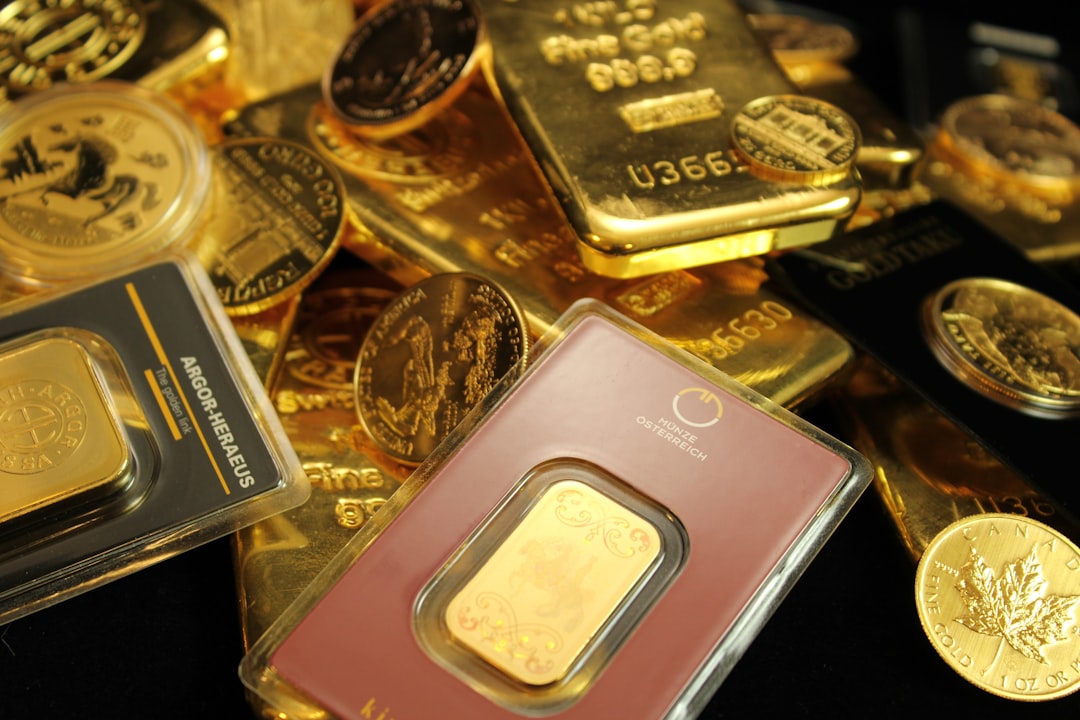
- Precious Metals ETFs (e.g., GLD, IAU for gold; SLV for silver): Gold is the classic inflation hedge. As of March 2026, gold is trading near $2,780/oz — up roughly 14% over the past 12 months. Gold ETFs are straightforward, liquid, and have a multi-century track record as a store of value during currency debasement. The downside? Gold pays no dividends and can be volatile in the short term.
- Energy Commodity ETFs (e.g., USO for crude oil, UNG for natural gas): Oil has a complicated relationship with inflation — it’s often a cause of inflation rather than a hedge against it. Energy ETFs can be powerful hedges when inflation is energy-driven, but they carry significant contango risk (where futures contracts roll at a cost, eroding returns even when the spot price rises).
- Agricultural Commodity ETFs (e.g., DBA — Invesco DB Agriculture Fund): Food price inflation is often the most painful for consumers, and DBA tracks futures on corn, soybeans, wheat, and sugar. In 2026, agricultural ETFs have gained renewed interest due to climate-related supply disruptions in Southeast Asia and the Americas.
- Broad Commodity ETFs (e.g., PDBC, DJP): These diversify across energy, metals, and agriculture, giving you exposure to inflation across multiple commodity sectors. PDBC has been particularly popular because it avoids the K-1 tax form headache that some commodity ETFs generate.
- Materials & Mining ETFs (e.g., XLB, PICK for miners): These aren’t pure commodity plays — they’re equities of companies that produce commodities. They benefit from rising commodity prices but also carry stock-market-style risks like management, debt, and geopolitical exposure.
What the Data Actually Shows About Inflation Hedging Effectiveness
Here’s where we need to be intellectually honest. Academic research — including a widely cited 2023 analysis by the CFA Institute updated with 2025 data — shows that commodity returns over long periods barely beat inflation after accounting for futures roll costs and ETF expense ratios. The real value of commodities is during inflation surprises — unexpected inflation spikes — rather than as a steady long-term growth vehicle.
During the 2021–2023 inflation surge, the Bloomberg Commodity Index returned over 45% cumulatively. But in the calmer 2024–2025 period, broad commodity ETFs significantly underperformed the S&P 500. This tells us something important: commodities are tactical hedges, not core long-term holdings for most investors.
Real-World Examples: How Investors Are Using These in 2026
Let me give you a couple of examples — one domestic (U.S.-based) and one international.
U.S. Example — The 5% Rule: Many U.S. financial advisors in 2026 are recommending a “5% commodity sleeve” within a diversified portfolio. A 60/40 stock-bond portfolio with 5% in a broad commodity ETF like PDBC and 5% in gold (GLD) has historically shown improved Sharpe ratios during inflationary periods — meaning better risk-adjusted returns. This isn’t a get-rich-quick move; it’s quiet portfolio insurance.
International Example — South Korea’s Growing ETF Market: In South Korea (relevant given the Korean-language keyword origin of this topic), the commodity ETF market has grown substantially. Products like KODEX Gold Futures (H) and TIGER Crude Oil Future Enhanced ETFs have seen record inflows in early 2026 as Korean investors, stung by persistent import-cost inflation driven by a weakened won, seek hard-asset protection. Korean retail investors are increasingly pairing these with U.S.-listed ETFs via the overseas investment platforms offered by major brokerages like Mirae Asset and Samsung Securities.

The Contango Problem — And Why It Matters More Than You Think
One concept I always explain to friends who are new to commodity ETFs is contango. Unlike a stock ETF that holds actual shares, most commodity ETFs hold futures contracts. When a futures contract expires, the ETF has to sell the expiring contract and buy a new one further out in time. If future prices are higher than current (spot) prices — which is the normal state called contango — you’re essentially selling low and buying high every month. This “roll cost” can quietly drain 5–10% from your annual returns in energy ETFs, even if oil prices stay flat. Gold ETFs backed by physical bullion (like GLD or IAU) avoid this problem entirely, which is one reason gold ETFs are often considered cleaner inflation hedges.
Realistic Alternatives for Different Situations
Not everyone is in the same position, so let’s tailor this:
- If you’re a beginner with limited capital: Start with a small allocation (3–5%) to a physical gold ETF like IAU (lower expense ratio than GLD at 0.25%). It’s liquid, well-understood, and avoids the complexities of futures-based products.
- If you’re comfortable with moderate complexity: Consider PDBC for broad commodity exposure combined with a TIPS (Treasury Inflation-Protected Securities) ETF like SCHP. The combination gives you both real-asset and government-backed inflation protection.
- If you’re an active investor with sector views: Energy ETFs like USO can be tactical plays during oil supply shocks, but set strict time horizons and stop-loss levels. Don’t hold these indefinitely.
- If you’re in South Korea or emerging markets: Check locally listed commodity ETFs for currency-hedged versions to avoid double exposure to FX risk. The hedged versions prevent a strengthening local currency from wiping out your commodity gains.
- If you prefer equity-like exposure: Mining ETFs like PICK (iShares MSCI Global Metals & Mining Producers) give commodity exposure with dividend potential, though with more volatility than pure commodity funds.
For my teacher friend? We landed on a simple solution: redirect 5% of her monthly savings into IAU (gold ETF) and pair it with I-Bonds (still available in 2026 at a 3.8% composite rate) for a portion of her emergency fund. Not glamorous, but realistic and appropriately sized for her risk tolerance.
Editor’s Comment: The most common mistake I see with commodity ETFs is treating them like growth investments when they’re really insurance policies. Think of it this way — you don’t judge your home insurance policy because your house didn’t burn down this year. A 5–10% commodity allocation that “didn’t do much” during a calm year is doing exactly its job. Size it appropriately, understand what you own (physical vs. futures-based), and revisit your allocation when the inflation picture shifts. The goal isn’t to get rich from commodities — it’s to make sure inflation doesn’t quietly make you poor.
태그: [‘commodity ETF inflation hedge’, ‘gold ETF 2026’, ‘inflation hedge investments’, ‘PDBC GLD IAU comparison’, ‘commodity ETF beginner guide’, ‘인플레이션 헤지 ETF’, ‘best ETFs for inflation 2026’]